What a relaxing massage means
A relaxing massage is usually organised around an unhurried, comfortable rhythm rather than intense work on one painful point. It may borrow the long gliding strokes and kneading associated with Swedish-style massage, but the words on a spa menu do not certify a single fixed method. Ask the therapist how they describe their own approach. The most useful starting point is often a simple wish: a quiet full-body session, a gentler first massage, or more attention to shoulders after a long journey.
The setting matters, but music, fragrance and dim lighting are preferences rather than essential ingredients. You can ask for less scent, a warmer towel or silence. Relaxation should not depend on accepting an atmosphere you dislike.
How the appointment usually unfolds
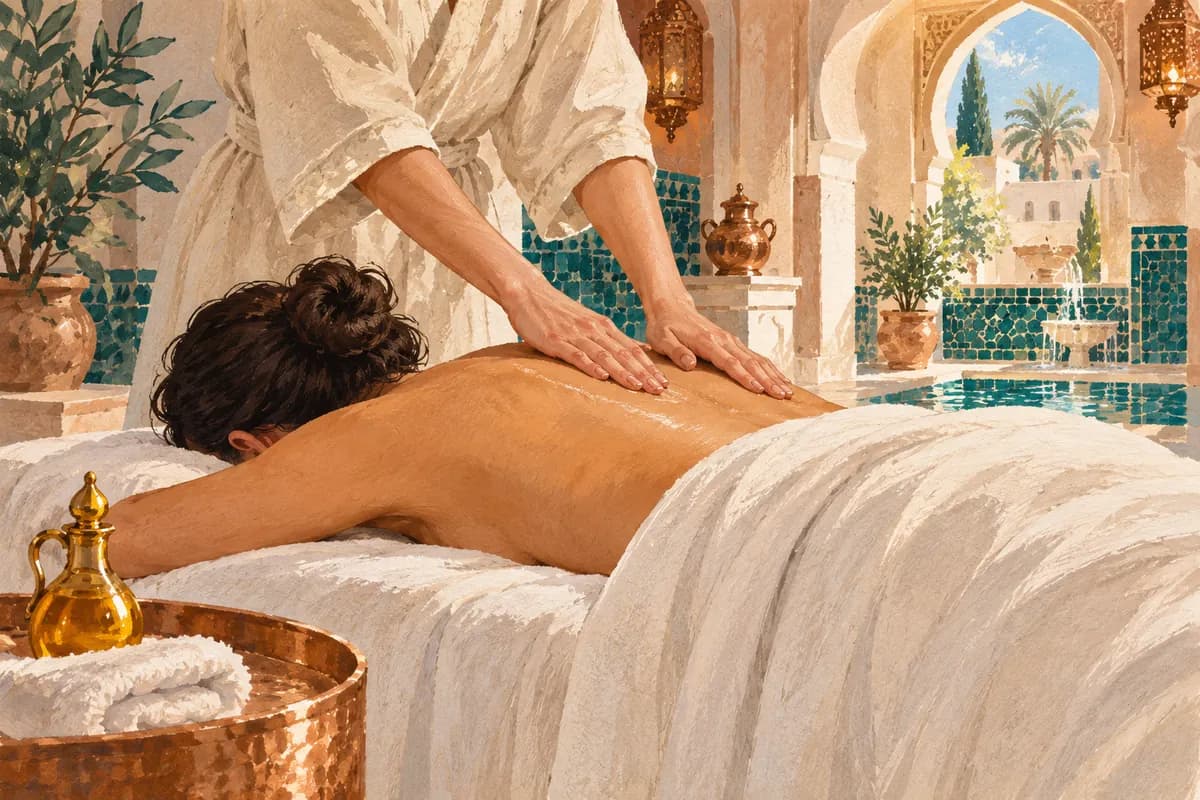
After a short conversation, the therapist explains positioning and leaves you privacy to change. Oil or lotion may be used to help the hands glide. Broad movements can introduce an area before more local kneading, with smooth transitions between the back, limbs and other agreed areas. The sequence, areas covered and whether you turn over vary with the chosen duration and your consent; a full-body label does not remove the right to exclude an area.
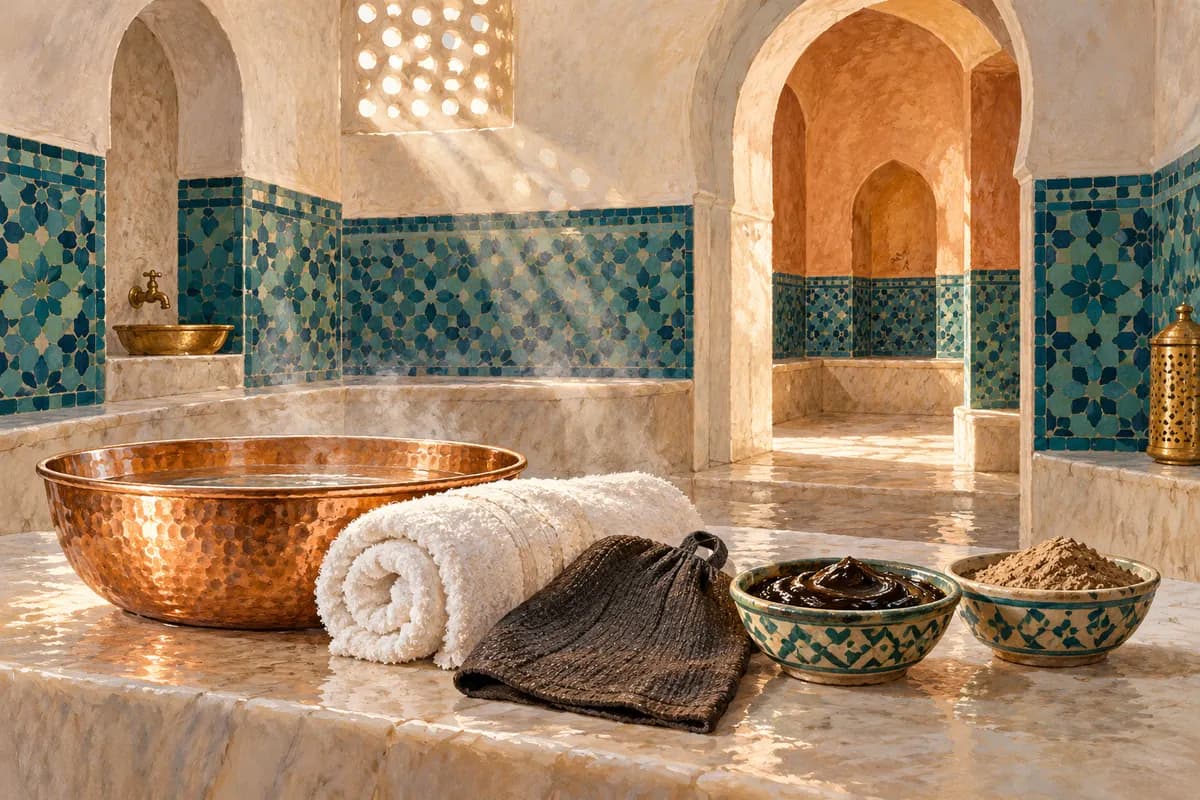
A shorter appointment needs priorities. A longer one can give transitions and several areas more time, but it should not simply mean stronger pressure. Ask whether the stated minutes are treatment time and whether the consultation is separate. If a massage follows a hammam, confirm when you will dry off and move to the treatment room.
Pressure, oil and sensations
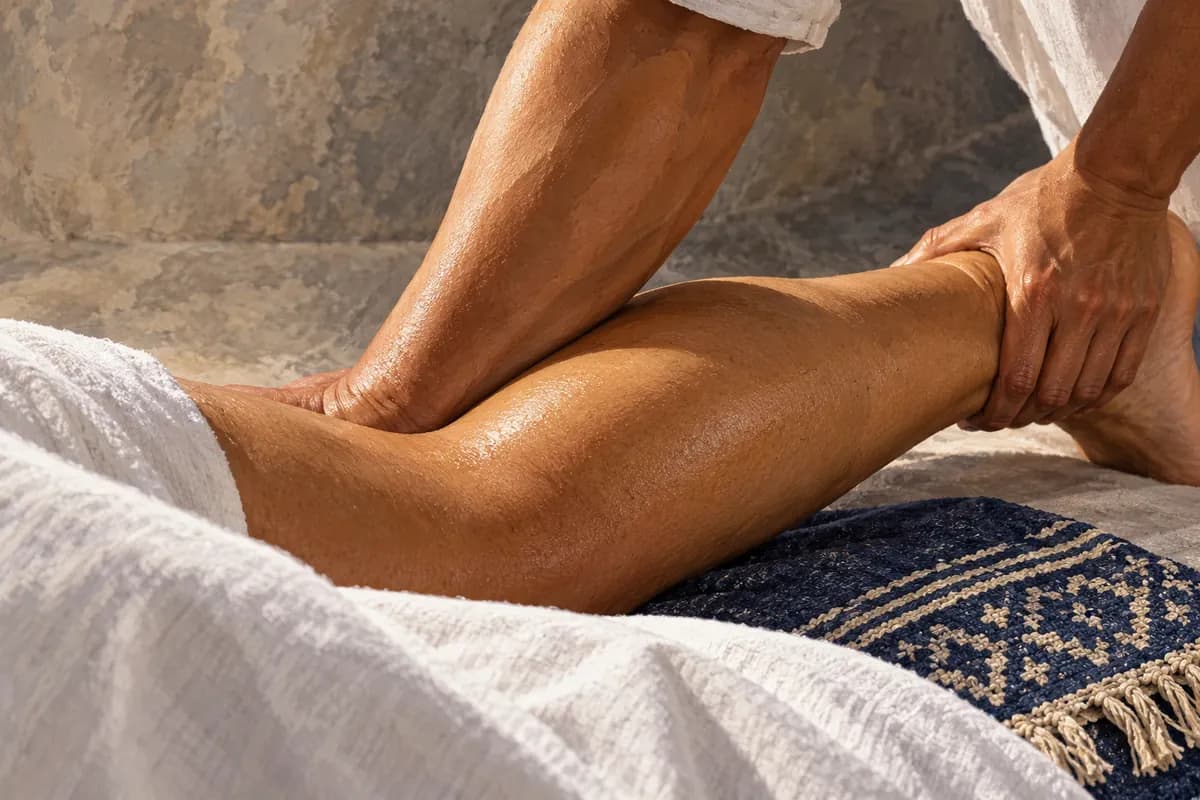
Comfortable pressure can be light or moderate and should remain adjustable. Useful feedback is specific: slower, less pressure on the calf, or more support under the knees. Sharp pain, tingling or a sensation that makes you brace is a reason to speak immediately, not a test to pass. If you are ticklish, tell the therapist before work begins on the feet or sides.
An oil massage in Morocco does not automatically use pure argan oil. Ask which product and fragrance are actually used, especially with allergies or sensitive skin. You may enjoy warmth and a feeling of rest afterwards, but no particular medical benefit or lasting change is guaranteed.
Choosing this massage rather than another
Choose a relaxing session when the experience you want is broad, gentle and unrushed. Compare it with a back-focus massage if one area matters most, deep-tissue work if you want a slower targeted approach, or shiatsu if you prefer a traditionally clothed pressure-based style. Hot stones add a heat element and four-hands massage adds a second therapist; neither is automatically included in relaxing massage.
Before booking, ask what areas the therapist expects to cover, whether fragrance-free oil is possible and how they check pressure. These answers tell you more about the visit than a promise to erase all stress.
Make the session comfortable for you
Before settling in, tell the practitioner what you would enjoy: a lighter touch, more attention to the shoulders, quiet, or a position with extra support. Ask how changing and covering the body are arranged. You can leave an area out of the massage, adjust the pressure or ask for a pause throughout the session.
If you would prefer a woman or a man as your practitioner, mention this for each guest when requesting the appointment. A private treatment room, a couples session and a hammam reserved for your group are different arrangements; specify the one you want.
Give the whole visit enough time
Compare the chosen treatment’s duration with the time you have available. Allow for arrival, changing and a calm departure. When combining hammam and massage, ask how rinsing, drying and moving between rooms fit into the programme. Tea and transport should appear in the offer if they are included.
Each guest can choose a different treatment. Let the team know whether starting together matters, and use the venue’s menu for current prices and the amount payable for your group.
Before sending your request
For pregnancy, a recent operation or injury, persistent pain, swelling or a relevant skin condition, discuss suitability privately with a qualified health professional before choosing a technique. At the spa, explain any practical adjustment the practitioner needs to make. Send your preferred date and time, then check the team’s reply and the agreed arrangements before travelling.