A gentle technique with an important clinical distinction
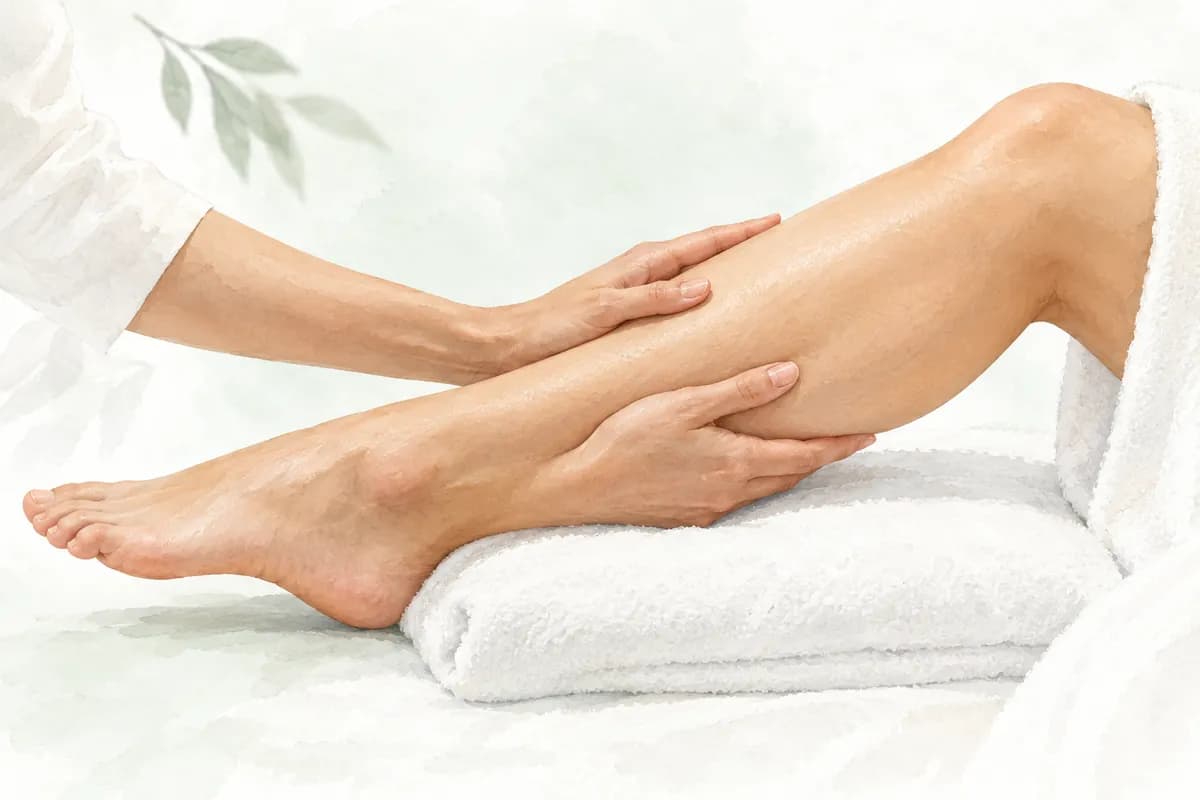
Manual lymphatic drainage uses light, purposeful skin movements rather than forceful muscle kneading. In health care it can be part of a plan for lymphoedema, performed by someone with relevant training. A spa menu using the same words does not establish that the practitioner is a clinical lymphoedema specialist or that the service is appropriate after surgery.
If you are visiting for a general wellness experience, ask how the spa defines drainage and what training the therapist has. If you are seeking help for persistent or unexplained swelling, start with a health professional. An online appointment label cannot explain why swelling is happening.
How an appropriately assessed session may feel
The distinctive feature is a slow, light rhythm. The practitioner considers the relevant area and the direction of the work, rather than simply rubbing hard where the body feels heavy. Clinical treatment may involve a planned sequence and other components such as prescribed compression; a spa massage should not replace that care.
You may be asked to lie in different positions with comfortable supports. Ask which areas will be treated and how they will be draped. Work near sensitive areas requires an explanation and explicit agreement. This guide deliberately does not provide a home drainage sequence: the appropriate method depends on the person and the reason for treatment.
What it should not promise
Lighter touch is not a weaker version of deep tissue; it is a different approach. Equally, a gentle sensation does not mean it is suitable for everyone. Cleveland Clinic identifies conditions such as blood clots, infection and certain heart or kidney problems as reasons to avoid or medically assess drainage. Tell a qualified professional about relevant health conditions rather than treating the spa name as clearance.
Do not book on a promise of fat removal, guaranteed weight loss, an immune reset or a universal detox. A temporary change in how an area feels or looks does not identify a disease or establish a lasting medical result. People without lymphoedema may not notice meaningful changes.
Questions before combining it with a hammam
Ask whether the appointment is a cosmetic wellness massage or a clinically directed service, who provides it, what products are used and whether any heat or other treatment is proposed. Do not assume that an intense scrub, hot room and drainage are automatically a suitable sequence for your circumstances.
If a clinician has given instructions after an operation or for a diagnosed condition, have those instructions discussed by the appropriately trained provider. The booking team's availability confirmation is logistical; it is not a medical assessment. Choose a different spa experience if what you want is ordinary relaxation rather than care for swelling.
Make the session comfortable for you
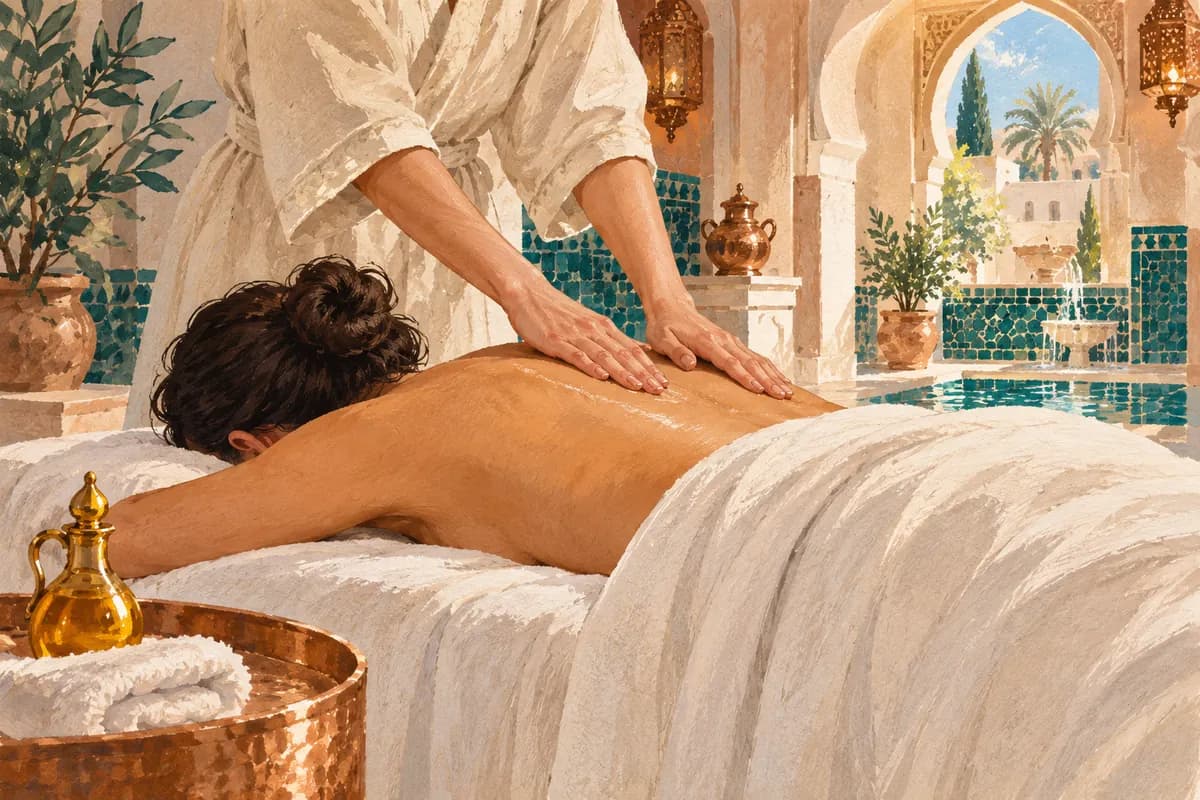
Before settling in, tell the practitioner what you would enjoy: a lighter touch, more attention to the shoulders, quiet, or a position with extra support. Ask how changing and covering the body are arranged. You can leave an area out of the massage, adjust the pressure or ask for a pause throughout the session.
If you would prefer a woman or a man as your practitioner, mention this for each guest when requesting the appointment. A private treatment room, a couples session and a hammam reserved for your group are different arrangements; specify the one you want.
Give the whole visit enough time
Compare the chosen treatment’s duration with the time you have available. Allow for arrival, changing and a calm departure. When combining hammam and massage, ask how rinsing, drying and moving between rooms fit into the programme. Tea and transport should appear in the offer if they are included.
Each guest can choose a different treatment. Let the team know whether starting together matters, and use the venue’s menu for current prices and the amount payable for your group.
Before sending your request
For pregnancy, a recent operation or injury, persistent pain, swelling or a relevant skin condition, discuss suitability privately with a qualified health professional before choosing a technique. At the spa, explain any practical adjustment the practitioner needs to make. Send your preferred date and time, then check the team’s reply and the agreed arrangements before travelling.