What distinguishes a hot stone massage
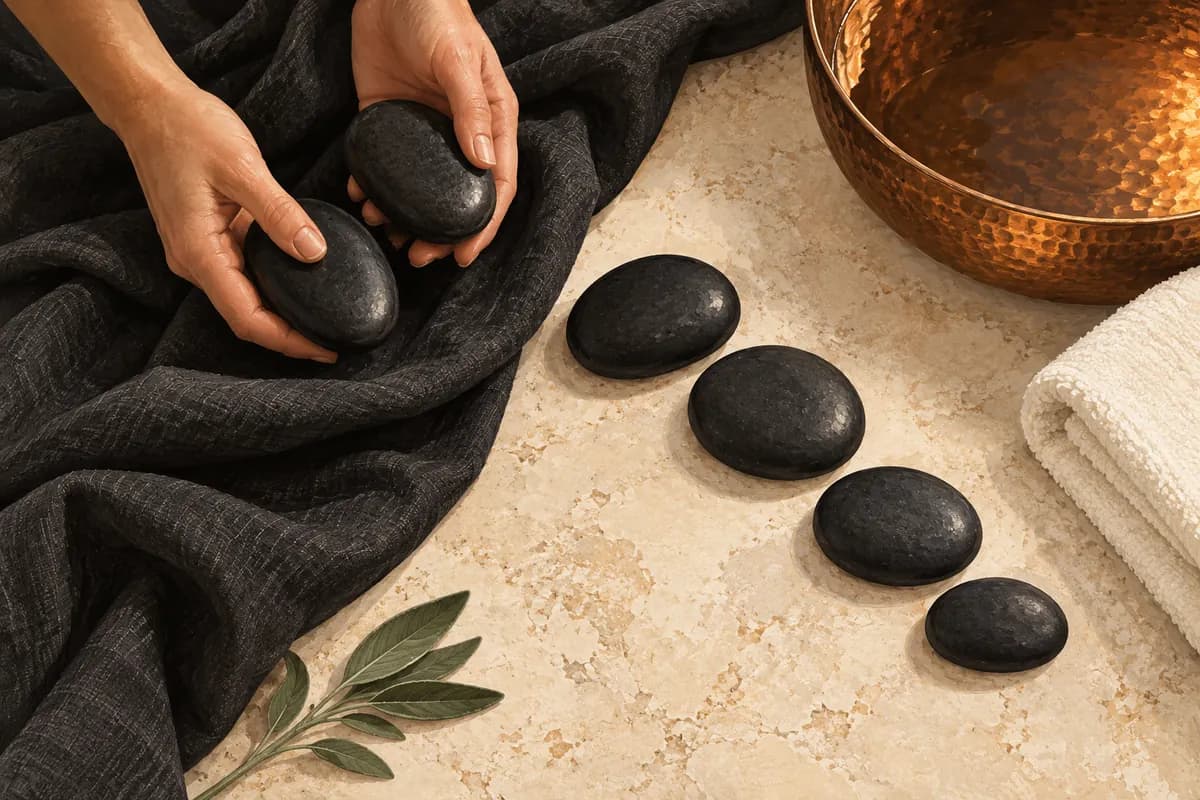
Hot stone massage combines a massage appointment with smooth warmed stones. A practitioner may place stones for a period, hold them while making a movement, or combine both with ordinary hand contact. The exact routine varies. Basalt is commonly associated with this style, but a spa title alone does not identify the stone type, temperature control or product used.
The defining extra is heat, not necessarily deep pressure. Someone who enjoys warm towels may still find a heated stone too intense in a particular place. Describe your preferences before the session rather than assuming all warmth will feel the same.
How the sequence is agreed
Before contact, the therapist should explain where stones may be used, how they will check your comfort and what you should say if heat becomes unpleasant. Stones may be moved and removed as the work progresses. You remain able to ask for an area to be avoided or for the massage to continue without stones.
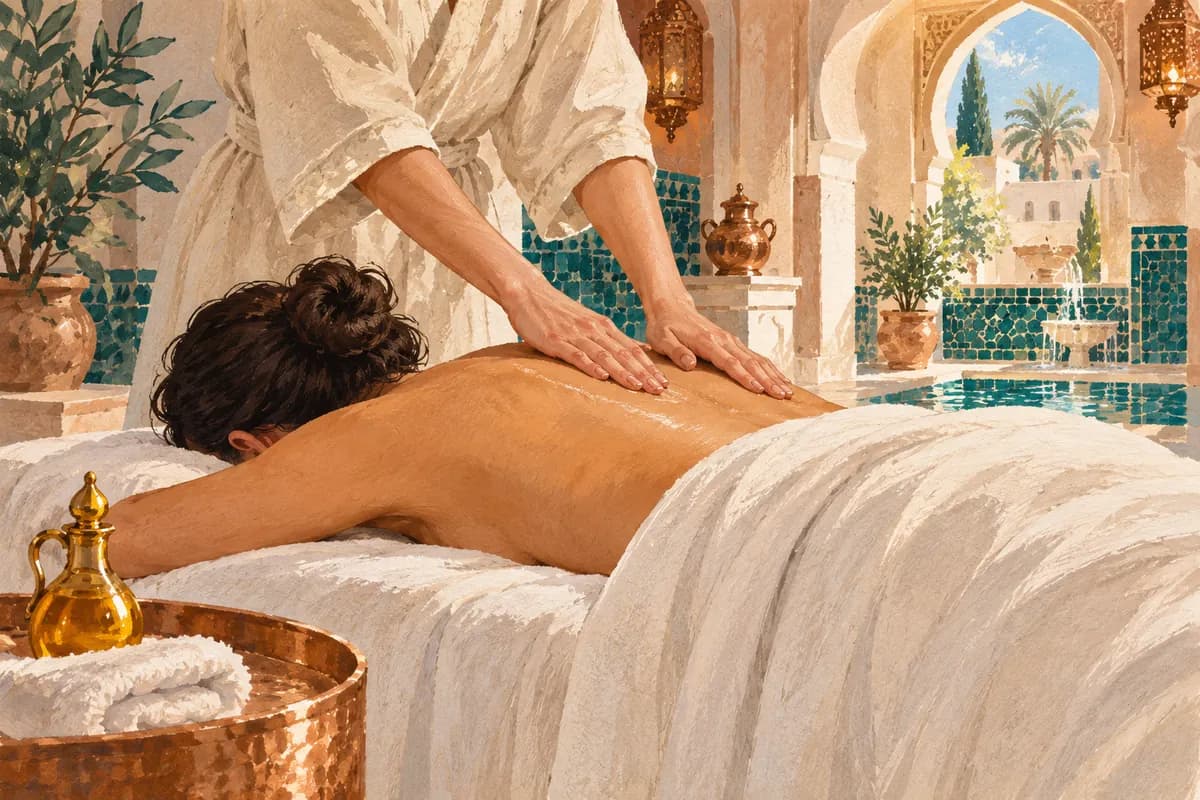
The rest of the appointment can include oil or lotion and hand massage on agreed areas. Draping and positioning still matter. Ask whether the listed duration includes preparation and whether the technique is intended as a broad relaxing treatment or more focused work. Decorative stones in an illustration do not describe the provider's exact sequence.
Heat should feel comfortable, not something to endure
Tell the therapist immediately if a stone feels too hot, if your skin feels uncomfortable or if the position makes it hard to move or communicate. A burning sensation is not evidence that the treatment is working. Do not attempt to reproduce a spa heating method at home from an online temperature recipe.
Reduced heat sensation, relevant skin or circulation problems and other health circumstances need appropriate screening. A person who has difficulty judging temperature should seek qualified advice rather than relying on the fact that the stones feel tolerable at first. AMTA specifically advises communicating discomfort with stone temperature during the session.
Pairing warmth with the hammam
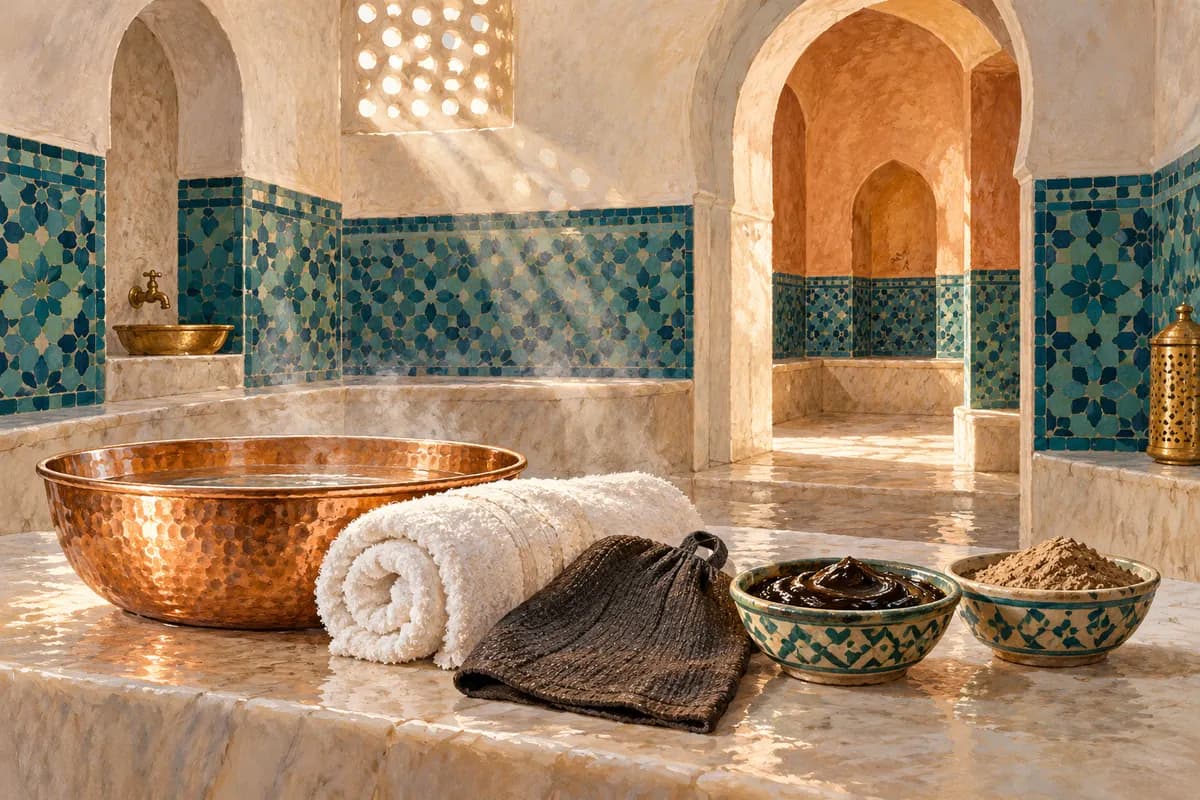
A hammam already introduces heat and moisture, often followed by exfoliation. More heat is not automatically a better ritual. Tell the team if you have just left a hot room or if your skin feels tender after the scrub, and ask whether a pause or another massage style would be more comfortable.
Confirm the transition, drying time, product and overall visit length before choosing a combination. You can enjoy hot stones without booking a hammam, or choose a hammam with a massage that has no heated tools. The best plan follows your comfort and the provider's assessment rather than the number of extras on the itinerary.
Make the session comfortable for you
Before settling in, tell the practitioner what you would enjoy: a lighter touch, more attention to the shoulders, quiet, or a position with extra support. Ask how changing and covering the body are arranged. You can leave an area out of the massage, adjust the pressure or ask for a pause throughout the session.
If you would prefer a woman or a man as your practitioner, mention this for each guest when requesting the appointment. A private treatment room, a couples session and a hammam reserved for your group are different arrangements; specify the one you want.
Give the whole visit enough time
Compare the chosen treatment’s duration with the time you have available. Allow for arrival, changing and a calm departure. When combining hammam and massage, ask how rinsing, drying and moving between rooms fit into the programme. Tea and transport should appear in the offer if they are included.
Each guest can choose a different treatment. Let the team know whether starting together matters, and use the venue’s menu for current prices and the amount payable for your group.
Before sending your request
For pregnancy, a recent operation or injury, persistent pain, swelling or a relevant skin condition, discuss suitability privately with a qualified health professional before choosing a technique. At the spa, explain any practical adjustment the practitioner needs to make. Send your preferred date and time, then check the team’s reply and the agreed arrangements before travelling.