A Moroccan spa can offer several traditions
Alongside the hammam, Moroccan spa menus often include massage traditions from elsewhere. A Thai massage and a Balinese massage can offer very different experiences, even when their durations match. Compare how you will be positioned, whether oil is used, and how active or still the session is likely to feel.
These names are useful starting points, rather than a universal script. Ask the venue to describe its own version, particularly when the menu combines labels such as shiatsu or Thai. You should know what you are choosing before the appointment begins.
Thai massage: ask about clothing and stretching
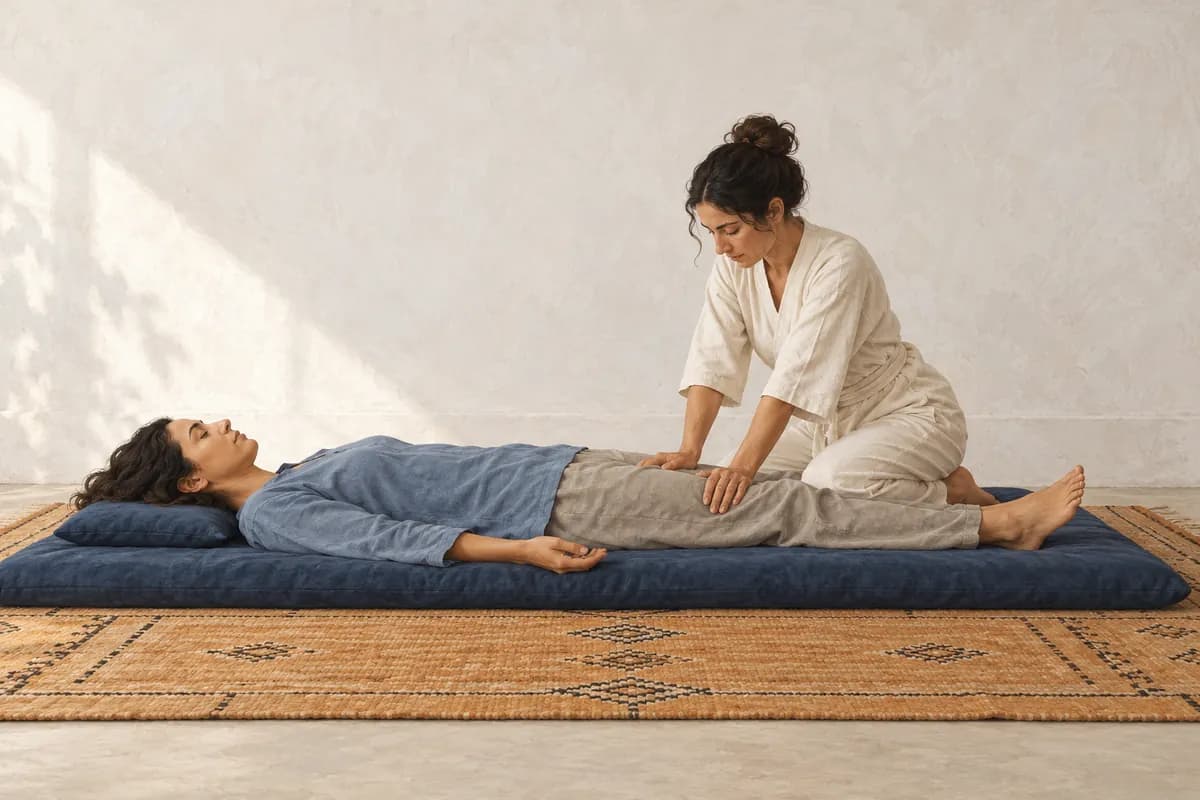
Traditional Thai massage is commonly offered clothed, with pressure and assisted stretches on a mat or futon. Some spas also sell Thai-inspired oil massages on a treatment table. Ask which version is on the menu and whether loose clothing is provided or should be brought with you.
If you prefer to remain still, say so before choosing a stretching-based session. The practitioner should explain each movement and adapt to your comfort. A Thai label does not make forceful stretching necessary. Compare it with shiatsu if you are considering a clothed pressure-based treatment.
Balinese massage: understand the spa's sequence
Balinese-inspired spa massage may combine oil, flowing strokes, targeted pressure and gentle stretches. The balance between these elements varies. Ask whether the session is a full-body treatment, what pressure is proposed, and whether the oil contains fragrance or essential oils.
It is worth describing the pace you enjoy. A quiet oil massage with a few pressure techniques is a different choice from an appointment built around substantial stretching, even if both are described as traditional.
Ayurvedic-inspired massage: clarify the named treatment
Ayurvedic, Abhyanga, Marma and Shirodhara are not interchangeable menu terms. They can refer to different arrangements involving oil, manual work or an additional application of oil. Ask for the actual steps, which areas are covered, how you are positioned and whether the treatment includes the scalp.
An Ayurvedic-inspired spa ritual is an experience you can enquire about without accepting claims that it diagnoses or treats a condition. Discuss suitability with a qualified health professional when necessary. Request the product details from the venue if ingredients matter to you.
Lomi Lomi: flowing movements and coverage
Lomi Lomi is associated with Hawaiian massage traditions and is often described in spa menus through long, continuous movements. Ask how the practitioner works, including whether forearms are used, and how towels or sheets cover the body throughout the session.
Coverage and room privacy are separate from the treatment name. You can ask for an explanation in advance and request an adjustment at any point. A treatment with an unfamiliar name should still feel understandable and comfortable.
Compare the appointment, not just its title
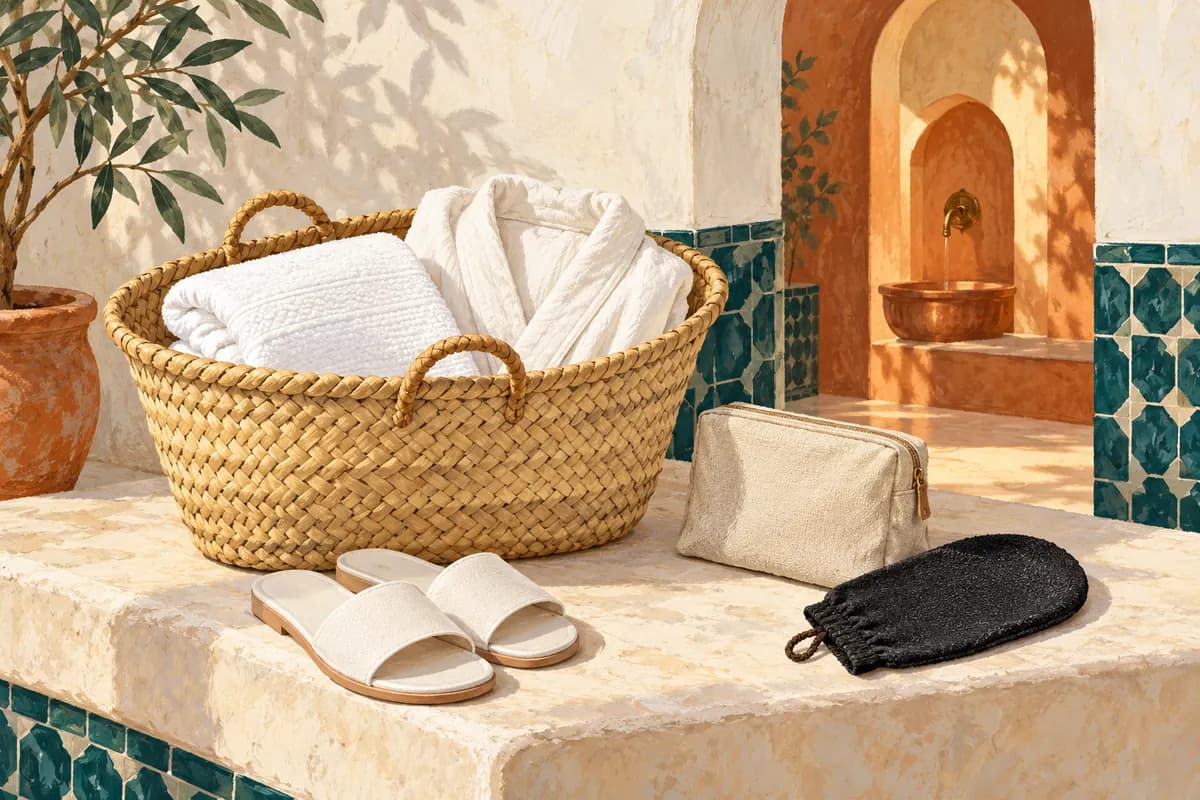
Check the exact menu price, duration and practitioner arrangement. Oil use can affect what you pack and whether you want to wash your hair afterwards. Stretching-based treatments may call for a different outfit from an oil massage. Our hammam packing guide helps with the rest of the visit.
Select treatments individually for each guest. Tell us if you need the appointments to start together or have a therapist preference. These details go to the team for review before confirmation; the guide itself does not establish a venue's staffing or inclusions.